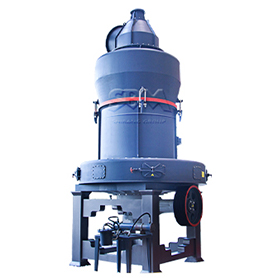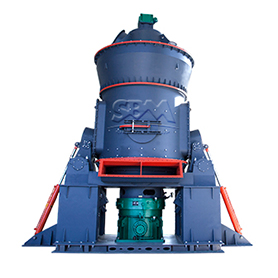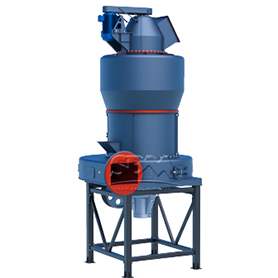



First, we need to understand the basic principles and structure of the Raymond mill. This equipment grinds materials into powder through a high-speed rotating grinding wheel. Its main components include the main unit, classifier, pipeline system, blower, finished product cyclone separator, and motor. The main unit serves as the core component, comprising a turntable, grinding rollers, grinding ring, and scraper blades, driven by a transmission system. The classifier is responsible for grading the ground material to obtain powders of different fineness. The piping system, blower, and finished product cyclone separator handle material conveyance, ventilation, and separation respectively.

When selecting a Raymond mill for grinding 200-mesh dolomite powder, the following factors should be considered:
1. The manufacturer's technical capabilities and production experience. Choosing a reputable manufacturer with proven expertise ensures equipment quality and reliable after-sales service.
2. Actual performance parameters of the mill. Equipment specifications may vary across manufacturers; select models suited to your production requirements.
3. Usability and reliability of the mill. The equipment should be easy to operate and maintain while delivering stable, dependable performance.
4. Price and cost-effectiveness of the mill. Prioritize reasonably priced, high-value equipment that meets quality and performance standards.
To better select a Raymond mill for grinding 200-mesh dolomite powder, comparative evaluations are recommended. This includes assessing equipment performance parameters, pricing, and quality guarantees across different manufacturers, as well as reviewing user experiences and evaluations. Additionally, understanding maintenance requirements is crucial for extending equipment lifespan and enhancing production efficiency.
In summary, selecting a Raymond mill for grinding 200-mesh dolomite powder requires consideration of multiple factors, including the manufacturer's technical capabilities and production experience, the equipment's actual performance parameters, ease of use and reliability, as well as price and cost-effectiveness. Through comparison and evaluation, we can identify equipment suitable for our production needs, thereby improving production efficiency and product quality. Simultaneously, proper operation and maintenance are also critical factors in ensuring equipment performance and longevity, requiring sufficient attention during use.