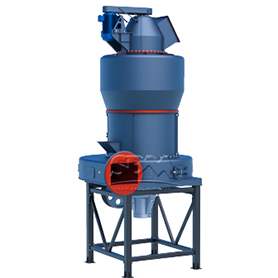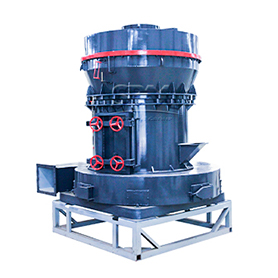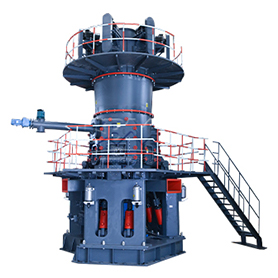




First, we must understand the working principle and characteristics of vertical mills. They primarily consist of grinding discs, grinding rollers, grinding rings, reducers, and electric motors. During operation, raw coal enters the center of the grinding disc via the feeding device. Under centrifugal force, it disperses outward, coming into contact with the high-speed rotating grinding rollers and rings. Here, it undergoes intense compression and grinding, ultimately being pulverized into coal powder.
Vertical mills offer numerous advantages, notably high efficiency and low energy consumption. Utilizing advanced grinding technology, they can pulverize raw coal into uniformly fine coal powder in a single pass, enhancing production efficiency. Additionally, the grinding process occurs within a closed system, minimizing dust pollution and energy waste. Furthermore, vertical mills are characterized by ease of operation, convenient maintenance, and strong adaptability.
When using vertical mills to process raw coal into coal powder, several key considerations must be addressed. First, mill selection must account for the raw coal's physical properties and chemical composition to ensure equipment suitability and longevity. Second, maintenance and upkeep are critical, requiring regular inspections of operational status and wear conditions, with timely repairs and replacements. Furthermore, safety must be prioritized during pulverized coal production, particularly adhering to relevant safety regulations during equipment maintenance and operation.
In summary, vertical mills are suitable for processing raw coal into pulverized coal. With their high efficiency, energy savings, and environmental benefits, they hold broad application prospects in coal processing. However, attention to selection, maintenance, and safety is essential to ensure smooth production and reliable equipment operation.