


Limestone is a non-metallic mineral with abundant reserves and widespread distribution. Its main component is calcium carbonate, and it features moderate hardness, good grindability, and low cost. After grinding, it can be widely used in multiple industries such as building materials, chemicals, metallurgy, and environmental protection, making it one of the most widely used raw materials in industrial production. With the continuous advancement of industrial technology, limestone grinding has evolved from traditional, extensive production methods toward high-efficiency, energy-saving, and precision-oriented processes. Selecting appropriate limestone grinding equipment and processes, combined with a scientifically designed production line, has become central to enterprises’ efforts to enhance product value. This approach not only ensures the quality of the ground limestone but also reduces production costs.
The limestone grinding process is relatively well-established, and a scientifically sound grinding process is key to improving production efficiency. The complete process primarily includes crushing, grinding, classification, powder collection, and dust removal. First, large limestone blocks are crushed to an appropriate particle size (≤30 mm) using a jaw crusher to prevent large pieces from damaging the components of the limestone grinding mill; Subsequently, the crushed limestone particles are conveyed by an elevator to a silo and fed uniformly into the grinding chamber of the limestone grinding equipment via a vibrating feeder. Under the squeezing and grinding action of the grinding rollers and grinding rings, the material is pulverized into fine powder; next, a classifier precisely grades the ground powder, with qualified fine powder entering the collector via an airflow for collection, while coarse powder is returned to the main unit for re-grinding; Finally, a pulse dust collector purifies the dust generated during production, ensuring dust-free and environmentally friendly operations, which enhances the competitiveness of the limestone grinding production line. The entire process features a high degree of automation, reducing manual labor, improving production efficiency, and adapting to various limestone powder application scenarios.
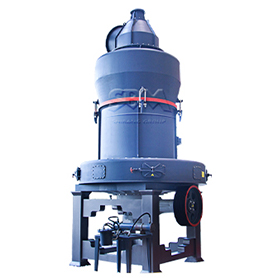
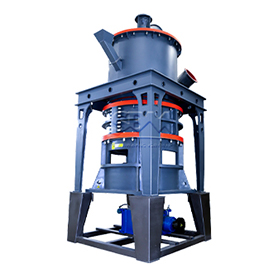
The selection of limestone grinding equipment requires comprehensive consideration of factors such as the enterprise’s production capacity requirements, finished product fineness, and investment budget. Currently, the most commonly used limestone grinding equipment on the market includes the MTW European-style grinding mill, the LM vertical grinding mill, and the Raymond grinding mill. Among these, the MTW European-style grinding mill features an advanced curved blade design and a drag-free air inlet volute, offering high grinding efficiency and low energy consumption. With adjustable finished product fineness ranging from 80 to 325 mesh, it is suitable for small- to medium-scale production; The LM vertical mill integrates drying, grinding, and classification into a single unit. It offers high production capacity and low energy consumption, and can process limestone feed with higher moisture content, making it suitable for large-scale production lines; the Raymond mill is cost-effective and easy to operate, making it suitable for small enterprises or low-capacity requirements.

Limestone powder has a wide range of applications. In the building materials industry, it serves as a core raw material for producing cement, gypsum board, tiles, concrete, and other products, enhancing the strength and durability of these materials; in the chemical industry, it is used to produce chemical products such as calcium carbonate and calcium hydroxide, which are widely applied in rubber, plastics, coatings, and papermaking to act as fillers, brighteners, and reinforcing agents; In the metallurgical industry, it serves as a flux to lower smelting temperatures, remove impurities, and improve the quality of metal products; in the environmental protection sector, it is used for flue gas desulfurization and wastewater treatment, helping to purify the environment and achieve the resource utilization of waste materials.
During the limestone grinding process, companies often face issues such as inconsistent product fineness, high energy consumption, and dust pollution, which affect production efficiency and product quality. With over 30 years of expertise in grinding equipment, Shanghai Shibang has developed grinding equipment tailored to the characteristics of limestone grinding. Our equipment offers advantages such as high efficiency, energy savings, environmental friendliness, and stability, effectively resolving the aforementioned issues. We can customize a dedicated limestone grinding production line solution based on your production capacity requirements (3–50 tons/hour) and finished product fineness specifications (80–325 mesh), providing one-stop services ranging from equipment supply, installation, and commissioning to after-sales maintenance. If you have any questions regarding limestone grinding equipment selection or process optimization, please feel free to leave a message online or call our consultation hotline at (+86-21-58386186). Our professional engineers will provide you with personalized solutions to help you reduce production costs and enhance product competitiveness.