



1. Crushing: Limestone is uniformly fed into the crusher via a vibrating feeder. After undergoing primary and secondary crushing and shaping, the material is graded through a vibrating screen. Larger particles of varying sizes are returned via conveyor belt to the secondary crusher for reprocessing, while the finished product is transported to the finished goods area by belt conveyor.
2. Calcination: Crushed limestone is conveyed from the top hopper chute of the preheater into the preheater body. simultaneously preheated to over 800°C by high-temperature flue gas transferred from the lime rotary kiln, causing partial decomposition of the limestone. Hydraulic pushers then sequentially convey the material to the kiln tail, where it undergoes high-temperature calcination before discharge into the cooler. Cooling air blown by the fan reduces the material temperature to below 60°C ambient before discharge from the cooler. The air blown through the cooler serves as secondary air entering the lime rotary kiln to participate in combustion.
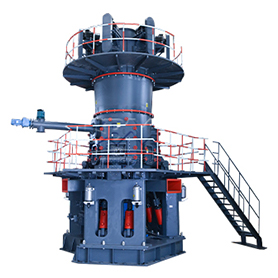
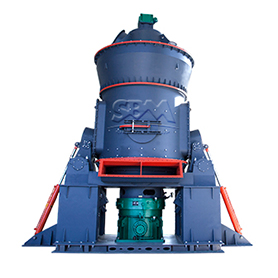
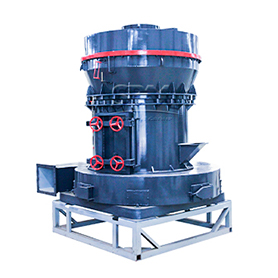
3. Grinding: Following crushing and calcination, the material undergoes grinding. Within the mill, steel balls, through the grinding motion, utilise both compression and gravitational forces to simultaneously fulfil the requirements of grinding and material blending.
4. Finished Product Conveyance: After discharge from the cooler, the finished lime is conveyed to the lime silo via a combination of conveyors and bucket elevators.