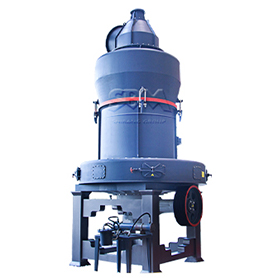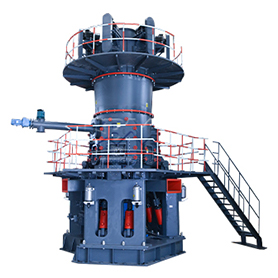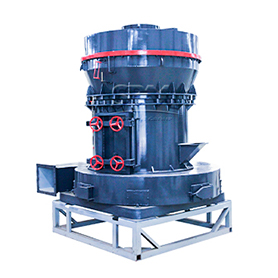




I. Equipment Selection and Configuration
When selecting ore grinding processing equipment, rational selection and configuration must be based on production requirements and material characteristics. Different types and specifications of equipment possess distinct performance features and application ranges. It is essential to fully understand the advantages and disadvantages of each piece of equipment and make choices based on actual conditions. Simultaneously, attention must be paid to equipment configuration to ensure coordination and compatibility between units, thereby maximizing the overall performance of the equipment.
II. Equipment Installation and Commissioning
Proper installation and commissioning are critical for achieving optimal performance. During installation, strictly adhere to all equipment installation requirements to ensure stability and accuracy. Commissioning involves optimizing and adjusting all equipment parameters to achieve ideal operating conditions. Regular maintenance and upkeep are also essential to ensure continuous operation and extend the equipment's service life.
III. Process Parameter Optimization
The performance of ore grinding equipment is influenced by multiple process parameters, such as grinding media, grinding pressure, and grinding speed. Through experimentation and optimization, an ideal combination of process parameters can be identified to enhance grinding efficiency and product quality. During production, process parameters should be regularly inspected and adjusted to maintain the equipment in optimal working condition.
IV. Operator Training
The skills and experience of operators significantly impact equipment performance. Therefore, systematic training and skill enhancement programs should be implemented to familiarize operators with equipment structure, principles, operation, and maintenance. Through training and practical experience, operators' proficiency levels should be elevated to ensure proper equipment usage and efficient operation.
V. Technological Innovation and R&D
With continuous technological advancement, mineral powder processing equipment undergoes constant upgrades. To achieve superior grinding results, industry trends and technological innovations must be monitored, enabling timely adoption of advanced equipment and techniques. Simultaneously, strengthening independent R&D capabilities is crucial. Technical improvements and innovations tailored to actual production needs should be pursued to enhance equipment performance and competitiveness.
VI. Production Environment Control
The performance of ore grinding equipment is also influenced by the production environment. It is essential to ensure a clean, dry, and dust-free environment to prevent damage from debris and contaminants. Additionally, controlling temperature and humidity levels is vital to create suitable working conditions that promote stable equipment operation and improve grinding efficiency.
VII. Equipment Maintenance and Inspection
To maintain optimal equipment performance and extend service life, prioritize maintenance and inspection activities. Develop a scientific maintenance schedule for regular equipment checks, cleaning, lubrication, and repairs to promptly identify and resolve potential issues. Establish a comprehensive equipment documentation system to record operational status and maintenance history, providing a basis for future inspections and upkeep.
In summary, achieving optimal grinding results requires comprehensive optimization and management of mineral powder processing equipment across multiple dimensions. This encompasses thorough consideration and implementation in equipment selection and configuration, installation and commissioning, process parameter optimization, operator training, technological innovation and R&D, production environment control, and equipment maintenance and repair. Through continuous improvement and refinement, equipment performance and efficiency can be enhanced, providing robust support for the advancement of mining and industrial sectors.