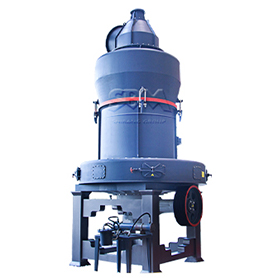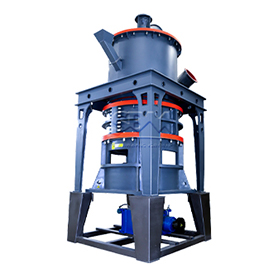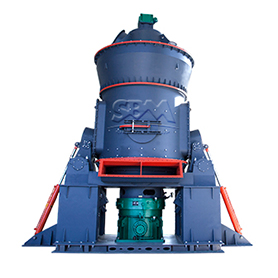




I. Structure and Working Principle of Ore Grinding Machines
Ore grinding machines primarily consist of a main unit, classifier, blower, finished product cyclone separator, piping system, and motor. Their working principle involves the main unit rotating to crush materials into powder form. Simultaneously, the classifier performs air-sifting, directing unqualified material back through the return hopper to the main unit for further grinding. Qualified powder then enters the finished product cyclone separator via the piping system to obtain the final product.
II. Factors Affecting Powder Output of Ore Grinding Machines
1. Main Unit Speed: Higher rotational speed increases grinding efficiency and powder output. However, excessively high speeds may cause material overheating and equipment wear, necessitating reasonable speed control.
2. Grinding Media: Factors such as size, hardness, and shape of grinding media influence grinding efficiency and thus powder output. Therefore, appropriate grinding media must be selected based on the specific material.
3. Air Classification: The effectiveness of air classification directly impacts output volume. Poor classification results in excessive material re-entering the main unit for repeated grinding, which wastes energy and increases equipment wear. Regular inspection, cleaning, and maintenance of the air classification system are essential.
4. Material Properties: Characteristics such as hardness, toughness, and moisture content affect grinding efficiency and consequently output. Accordingly, adjustments and optimizations must be made based on specific material properties.
III. Methods to Enhance Output of Mineral Grinding Machines
1. Optimize Main Unit Speed: Control the main unit's rotational speed based on material properties and production requirements to enhance grinding efficiency. Generally, maintain the speed within a specific range to prevent overheating and equipment wear.
2. Select Appropriate Grinding Media: Choose suitable grinding media according to material characteristics and production needs to ensure efficient grinding. Factors such as the shape, size, and hardness of the grinding media must be considered.
3. Optimize air classification efficiency: Regularly inspect and clean the air classification device to ensure proper operation. Additionally, select appropriate screen mesh size and air velocity based on material properties to enhance classification effectiveness.
4. Adjust feed rate: Rationally adjust the feed rate according to production requirements and equipment capacity to ensure stable operation and grinding efficiency. Excessively high feed rates may cause equipment overload, while excessively low rates may result in inefficient operation.
5. Perform regular maintenance: Conduct periodic maintenance on the ore grinding mill to ensure proper operation and extend service life. This includes regularly replacing wear parts and inspecting the lubrication system.
6. Select high-quality materials: Using premium-grade materials guarantees grinding efficiency and output volume. Pay attention to storage and transportation methods to prevent moisture absorption and contamination.
7. Optimize production processes: Refining production procedures enhances operational efficiency and grinding performance. For instance, maintaining optimal material ratios and particle size distribution improves grinding efficiency.
8. Select appropriate control systems: Implementing suitable control systems enables precise equipment regulation and increased productivity. PLC or DCS systems facilitate automated production and remote monitoring capabilities.
In summary, increasing the output of ore grinding mills requires a multi-faceted approach encompassing equipment structure and operating principles, factors affecting output, and methods to enhance productivity. Only through comprehensive understanding and mastery of these aspects can one effectively improve operational efficiency and grinding performance, reduce production costs, and elevate product quality.