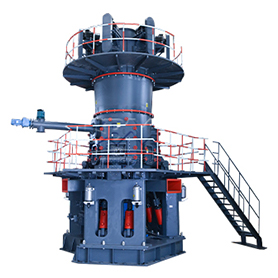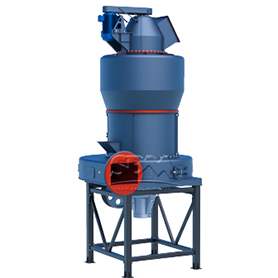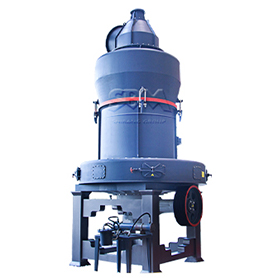




I. Features of the Water Slag Grinding Equipment - Shibang Machinery LM Vertical Mill
The Shibang LM Vertical Mill possesses the following key characteristics:
1. Energy Efficiency and Environmental Protection: Featuring a low-energy consumption design, the LM Vertical Mill effectively reduces production costs while minimizing noise and dust pollution.
2. Lower Operating Costs: Shibang Machinery optimizes grinding efficiency, powder drying, wear resistance of components, and maintenance/replacement procedures to achieve lower energy consumption, enhanced drying capacity, reduced core component wear, and easier maintenance, thereby saving customers' equipment operating costs.
3. User-Friendly Operation: Equipped with an intelligent control system, the LM Vertical Mill enables remote operation and monitoring, reducing labor costs and boosting production efficiency.
4. Minimal Overall Investment: Featuring a compact layout occupying approximately 50% of the space required by ball mill systems, the LM Vertical Mill can be installed outdoors, significantly lowering investment costs. Its simplified and rational system design eliminates unnecessary equipment expenditures, reducing total capital investment.
II. Analysis of LM Vertical Mill Performance in Water Slag Grinding
1. Enhanced Product Quality: The LM Vertical Mill grinds water slag into fine powder, improving product quality and application effectiveness.
2. Reduced Production Costs: Featuring energy-efficient design, the LM Vertical Mill effectively lowers energy consumption costs during production.
3. Enhanced Production Efficiency: The equipment employs an intelligent control system enabling remote operation and monitoring, reducing labor costs and boosting production efficiency.
4. Environmental Compliance: The LM Vertical Mill effectively minimizes noise and dust pollution, meeting environmental protection requirements.
In summary, the Shibang LM Vertical Mill features energy efficiency, environmental friendliness, high-efficiency grinding, user-friendly operation, and quality assurance. It effectively improves water slag processing outcomes to meet industrial production demands.