



Standard quicklime grinding workflow: raw material crushing → elevating & storage → quantitative feeding → grinding → air classification → finished-product collection & storage.
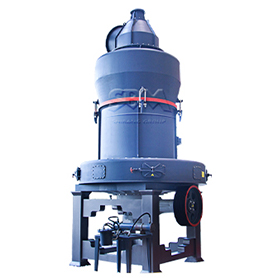
For medium-and-small-size processing plants, MTW European Grinding Mill is recommended. It adopts thin-oil lubrication for stable operation, negative-pressure closed structure for low dust, and adjustable fineness ranging from 80-400 mesh. With easy maintenance, it fits projects with annual output from tens of thousands to 200-300 thousand tons.
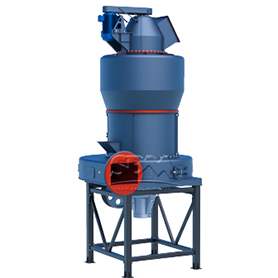
For large-scale million-ton-level quicklime projects, LM Vertical Roller Mill is preferred. It integrates crushing, drying, grinding, classification and conveying, occupying small footprint and allowing semi-outdoor layout. It delivers large single-unit capacity and cuts energy consumption by around 40 % compared with conventional grinding equipment for continuous high-volume production.
SBM production lines can be equipped with hot-air drying modules to handle high-moisture raw materials, together with pulse dust collectors for environmental compliance. Project configuration cannot be simply copied from other cases, since feed size, capacity requirement and site conditions vary for each client.
If you are planning a quicklime grinding project and confused about model selection and auxiliary configuration, please leave a message on this page or click business consultation to submit your requirements on raw material, capacity and target fineness. Our technical engineers will customize a production-line solution for you for free.
Summary: This article covers quicklime powder applications and processing workflows. It compares LM vertical mill and MTW European mill, and gives practical selection tips for quicklime powder projects.