


Types of Grinding Machines
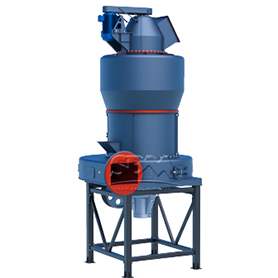
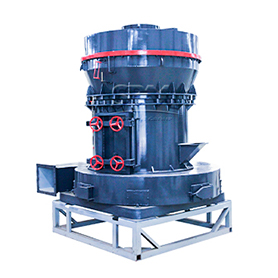
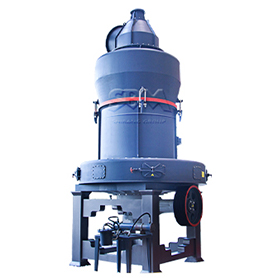
Gypsum grinding machines primarily fall into two categories: Raymond mills and ultra-fine grinding mills. Raymond mills are mainly used for coarse grinding, capable of processing gypsum to a fineness of 80-425 mesh. Ultra-fine grinding mills are primarily used for fine grinding, achieving a fineness of 325-2500 mesh.
Characteristics of Grinding Machines
Gypsum grinding mills with a production capacity of 20-50 tons per hour feature the following characteristics:
1. High Efficiency and Energy Savings: Utilizing advanced grinding roller technology and optimized internal structural design enhances grinding efficiency while reducing energy consumption.
2. User-Friendly Operation: High automation levels simplify operation and decrease labor intensity.
3. Environmental Performance: Closed-loop production minimizes dust pollution, meeting environmental standards.
Applications of the Grinding Mill
The 20-50 ton/hour gypsum grinding mill is applicable in the following fields:
1. Building Materials: Processes gypsum into products like gypsum boards and moldings.
2. Pharmaceuticals: Produces gypsum for use as pharmaceutical excipients.
3. Chemical Industry: Processes calcium sulfate, calcium nitrate, and other chemical products.
Selecting the Right Grinding Mill

When choosing a gypsum grinding mill with a capacity of 20-50 tons per hour, consider the following factors:
1. Production Capacity: Select a mill with appropriate output based on actual production needs.
2. Product Fineness: Choose the suitable grinding mill type according to the required fineness of the gypsum product.
3. Equipment Cost: Select a cost-effective grinding mill within the company's budget.
4. After-Sales Service: Choose manufacturers with comprehensive after-sales support to ensure uninterrupted equipment operation.
In summary, gypsum grinding mills with a capacity of 20-50 tons per hour offer broad application prospects in gypsum processing. Enterprises should comprehensively evaluate these factors when selecting grinding equipment to enhance production efficiency and product quality.