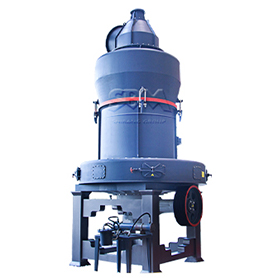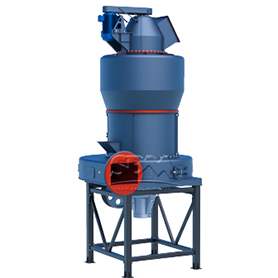



Carbon powder processing can be categorized into three types based on the final product’s fineness: coarse powder processing (0–3 mm), fine powder processing (20 mesh–400 mesh), and ultra-fine powder processing (400 mesh–3,250 mesh). The specific carbon powder production processes and equipment configurations vary depending on the required processing precision. A complete carbon powder production line primarily includes the following stages: crushing, grinding, classification, powder collection, and dust removal. First, large chunks of carbon material are crushed by a crusher to a size of 15 mm–50 mm to meet the feed requirements of the carbon grinding mill. Subsequently, the crushed material is transported by an elevator to a silo, where a vibrating feeder uniformly and quantitatively feeds it into the grinding chamber of the carbon grinding equipment for grinding. Depending on the required fineness of the final product, LM vertical roller mills or MTW European mills can be selected for fine powder processing; LUM ultra-fine vertical mills can be selected for ultra-fine powder processing; Next, the ground material is classified by a classifier, with non-compliant coarse powder returned to the main unit for re-grinding; finally, powder meeting the required fineness is carried by the airflow into a dust collector for separation and collection, completing the carbon powder processing and ensuring the efficient and stable operation of the carbon powder production line.
When selecting carbon powder grinding equipment, key considerations include wear resistance, classification accuracy, and stability. Given the high hardness of carbon materials, the grinding process causes significant wear on equipment components; therefore, the equipment must utilize high-hardness, wear-resistant materials to extend the service life of wear parts. Additionally, since carbon powder requires high purity, the equipment must feature excellent sealing performance to prevent contamination and ensure the purity of the final product. Furthermore, the classification accuracy of the equipment directly determines the fineness of the final product, so a classifier with high classification accuracy must be selected to meet the application requirements of various industries. Shanghai Shibang’s MTW European grinding mill and LM vertical grinding mill are specifically optimized for the characteristics of carbon powder grinding. They feature high-chromium alloy wear-resistant roller sleeves and grinding rings, and are equipped with high-efficiency cage-type classifiers that offer high classification accuracy, effectively preventing the mixing of coarse powder. At the same time, they feature low energy consumption and stable operation, making them suitable for carbon powder grinding production at various scales.

Carbon powder has a wide range of applications. In the metallurgical industry, it is used to produce graphite electrodes and prebaked anodes, suitable for scenarios such as aluminum electrolysis and steel smelting, thereby improving smelting efficiency and product quality. In the chemical industry, it is used to produce silicon carbide and activated carbon, widely applied in fields such as wastewater treatment and exhaust gas purification. In the electronics industry, it is used to produce conductive materials and semiconductor materials, meeting the high-performance demands of electronic devices. In the new energy sector, it is used to produce lithium-ion battery anode materials, driving the development of the new energy industry. Different application areas have varying requirements for carbon powder fineness; for example, the aluminum electrolysis industry typically uses carbon powder around 200 mesh, while lithium-ion battery anode materials require ultra-fine carbon powder of 1000 mesh or higher.
Currently, the carbon industry is moving toward greater specialization and high-end development, with ever-increasing demands on carbon grinding equipment. Shanghai Shibang has been deeply involved in the grinding equipment sector for over 30 years and possesses extensive experience in carbon grinding projects. We can customize a dedicated carbon grinding production line solution based on your production capacity needs, finished product fineness requirements, and investment budget, providing one-stop services ranging from equipment supply, installation, and commissioning to after-sales maintenance and repair, helping enterprises reduce production costs and enhance product value. If you have any questions regarding carbon grinding equipment selection, process optimization, or production line configuration, please feel free to leave a message online or call our consultation hotline at (+86-21-58386186). Our professional engineers will provide you with personalized solutions to empower your enterprise’s high-quality development.