

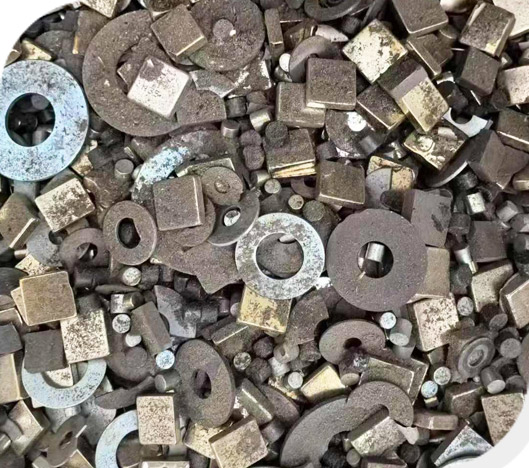
NdFeB scrap refers to various waste materials generated throughout the entire life cycle of NdFeB permanent magnets, including production, processing, application and disposal of end-of-life products. As an outstanding representative of the third-generation rare earth permanent magnet materials, NdFeB has become a core functional material driving the new energy revolution and the leap forward of smart manufacturing, thanks to its ultra-high magnetic energy product, excellent coercivity and high energy density.

Lightweight

Space-saving
design

Ultra-high magnetic
energy product

Superior
coercivity

Exceptional
stability
NdFeB Permanent Magnets
Currently, strategic emerging industries such as new energy vehicles, wind power equipment and smart terminals are experiencing rapid development, driving a sustained surge in demand for high-performance rare earth permanent magnet materials. This "low-volume, high-efficiency" characteristic has led to NdFeB magnets being included in the critical mineral lists of many countries, earning them the reputation as the "vitamins of industry".
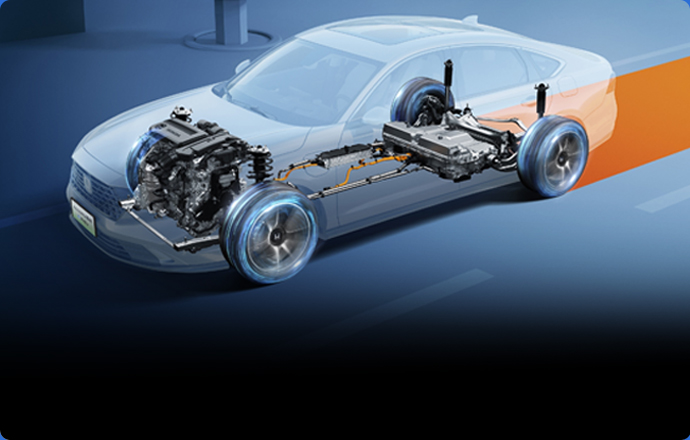
Per-vehicle consumption 2–5 kg
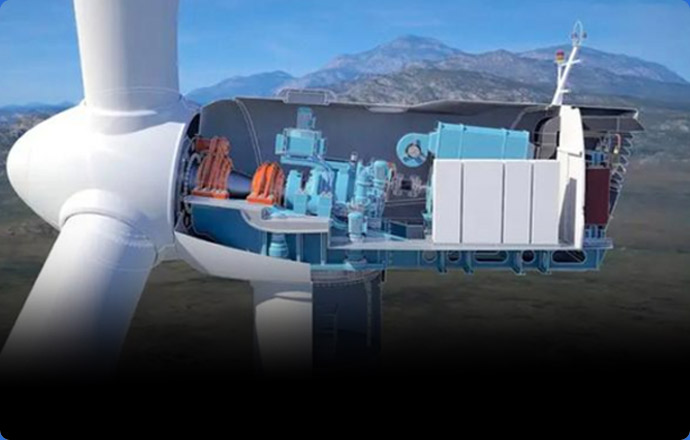
Per-turbine consumption 2–3 tons
The production and application of NdFeB permanent magnet materials will inevitably generate various types of scrap. Such waste materials mainly come from two sources: leftover materials, cutting swarf and defective products produced during the manufacturing process, as well as end-of-life products that have reached the end of their service life.

Raw Material Preparation
Various raw material loss substances are generated during raw material processing.

Smelting & Casting
Oxide scale is produced in the smelting and casting process, which is a type of heavily oxidized NdFeB scrap.

Crushing & Grinding
Ultrafine powder (with particle size below 2μm) and magnetic powder ignited due to exposure to air are generated in the powdering process.

Orientation & Pressing
Alloy powder scattered during magnetic field forming.

Sintering & Tempering
Some slightly oxidized NdFeB bulk scrap is produced during the sintering process.

Machining
Grinding powder, a large number of leftover bits and pieces, and scrap from processing damage generated in machining.

Surface Treatment
Defective products from surface treatment.

Finished Product Inspection
Defective products from finished product inspection.

Finished Product Scrap
Scrap strong magnets disassembled from discarded motors.
Pyrometallurgical processes, such as selective chlorination, liquid alloy process and slag-metal smelting separation process, recover rare earths via high-temperature separation.
Hydrometallurgical recovery is mainly based on oxidation roasting-hydrchloric acid preferential dissolution, complete dissolution and double salt precipitation methods.
Emerging recycling technologies including hydrogen decrepitation, biohydrometallurgy, calcium thermal reduction and electrochemical leaching are developing rapidly.
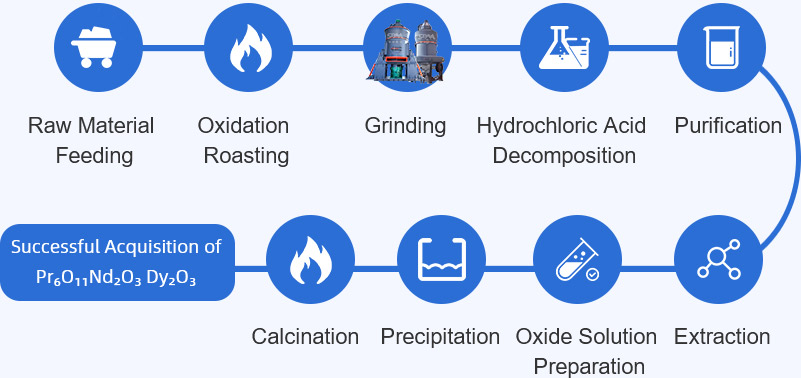
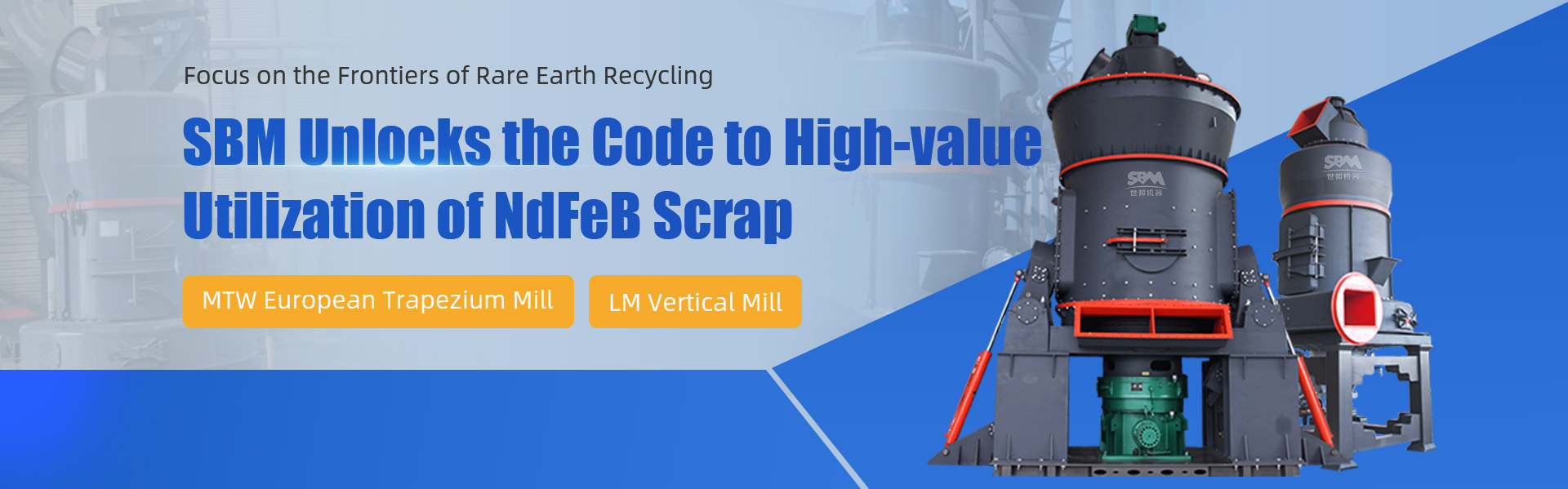
In response to the characteristics of uneven hardness and stringent particle size requirements of materials after oxidation roasting, as well as the high standards for raw material quality in the recycling process, SBM leverages nearly 40 years of profound expertise and experience in the milling equipment sector, accurately identifies industry needs, and tailors professional, high-efficiency, and eco-friendly milling solutions exclusively for the neodymium-iron-boron (NdFeB) scrap recycling industry.
SBM has launched two core pieces of equipment: LM Vertical Mill and MTW European Trapezium Mill. Through high-efficiency grinding and precise particle size control, these mills provide high-quality raw materials for subsequent purification and extraction processes, thereby enhancing rare earth recovery rates. Equipped with intelligent energy-saving technologies and full-process environmental protection design, the equipment significantly reduces production energy consumption and pollutant emissions, enabling green production throughout the recycling process.
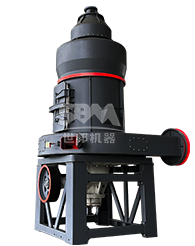
Fineness: 80–325 Mesh
Capacity: 3–50 tph
Brand-New Process Upgrade,
Reaching National Advanced Standards
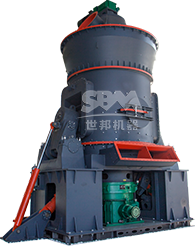
Fineness: 80–400 Mesh
Capacity: 10–400 tph
Optimal Solution for Large-Scale &
Intelligent Grinding
SBM provides a full range of services covering project consultation, process design, equipment manufacturing, installation and commissioning, technical training, and after-sales support. We ensure the smooth commissioning of customers' turnkey projects and relieve them of any subsequent concerns.
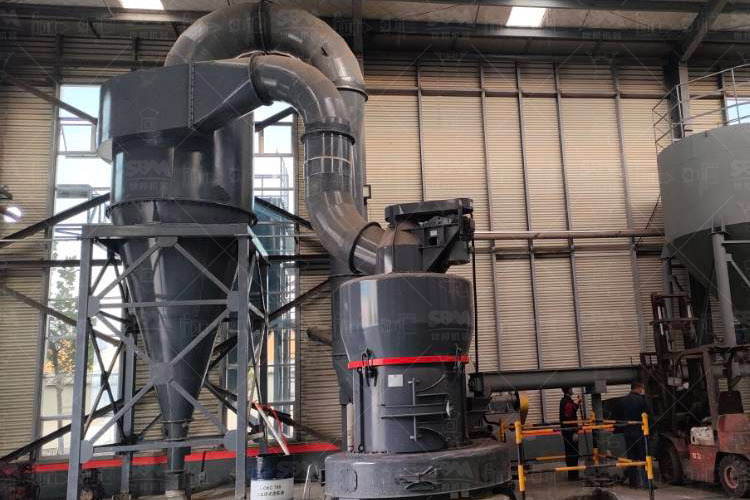
Processing Material: NdFeB Product Fineness: 300 Mesh Main Equipment: SBM MTW European Trapezium Mill
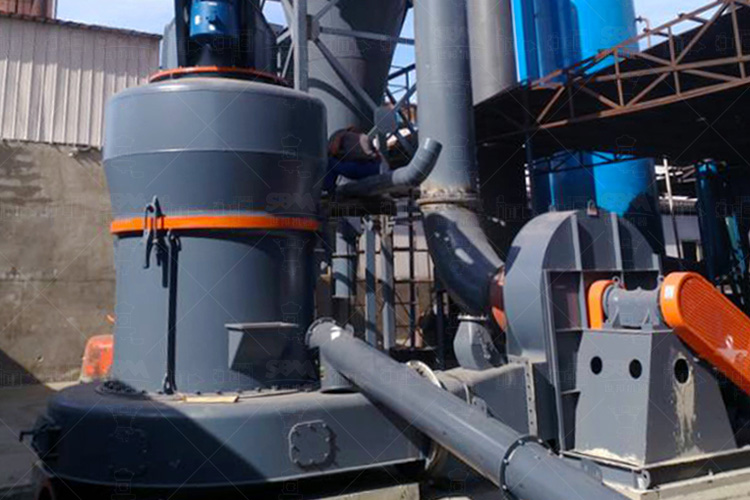
Processing Material: NdFeB Scrap Product Fineness: 325 Mesh Main Equipment: SBM MTW European Trapezium Mill
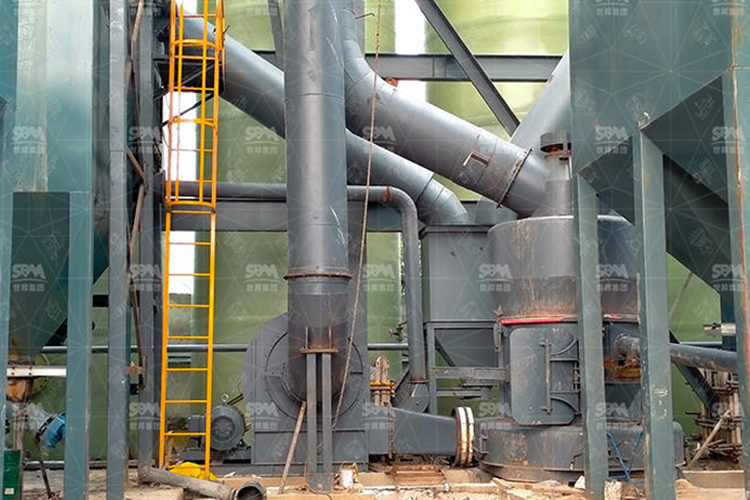
Raw material: Neodymium Iron Boron (NdFeB) Product Fineness: 300 mesh D90 Main Equipment: MTW138Z (3 units)
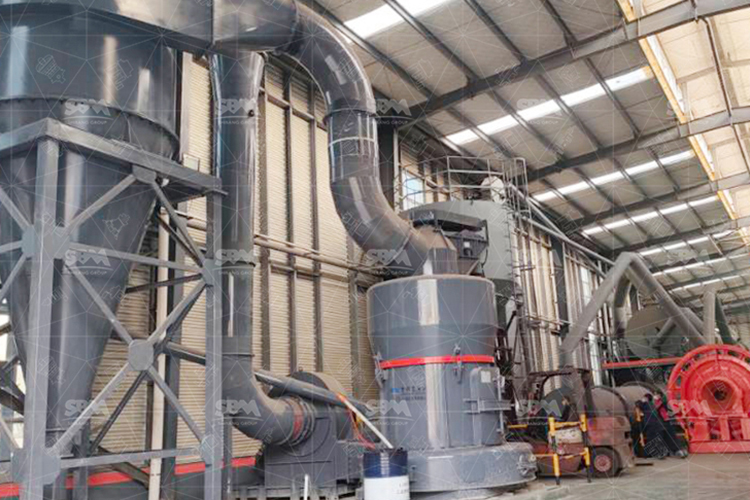
Raw material: NdFeB Product Fineness: 300 mesh D90 Main Equipment: MTW138Z (1 set)
Leave your information below to get customized
solutions and free quote!
