

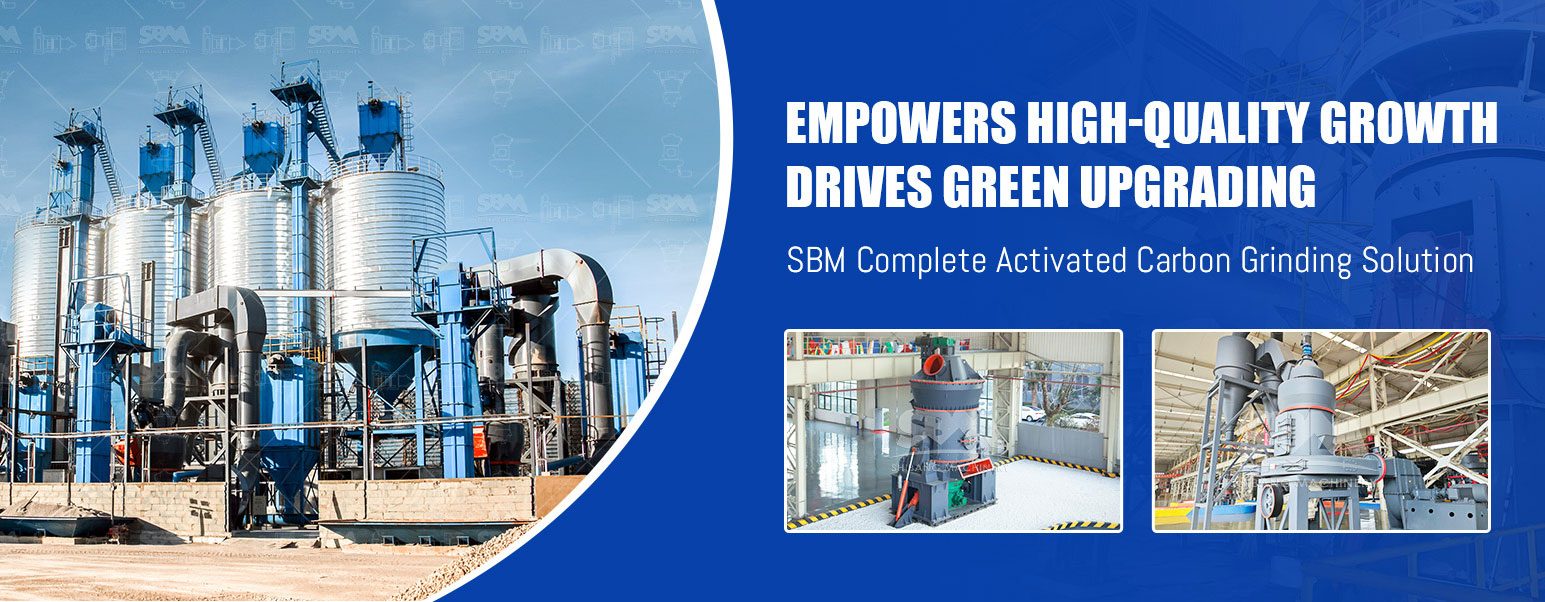
Against the backdrop of accelerated development of the global environmental protection industry, activated carbon is embracing unprecedented development opportunities. Supported by policies including China’s Action Plan for the Prevention and Control of Water/Air Pollution and the EU Industrial Emissions Directive, robust rigid demand for high-performance activated carbon is driven in sectors such as printing and dyeing, chemical engineering, pharmaceuticals, petrochemicals and coating for VOCs abatement and advanced wastewater treatment.
Meanwhile, its application scenarios are rapidly expanding into new energy, high-end food & beverage, pharmaceutical purification and other fields, accompanied by ever-rising requirements for the performance and quality of activated carbon.

 Environmental Protection
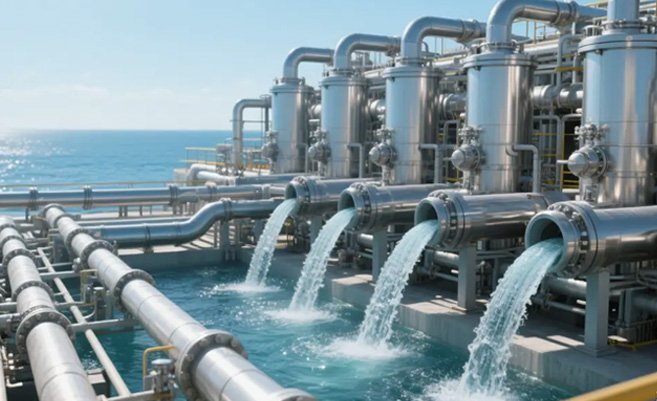
 Water Treatment
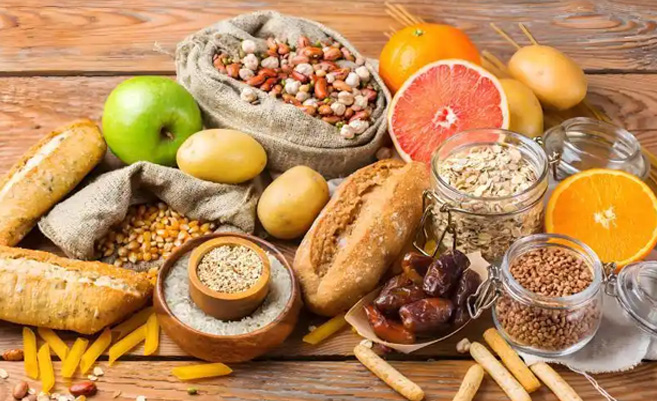
 Food Industry
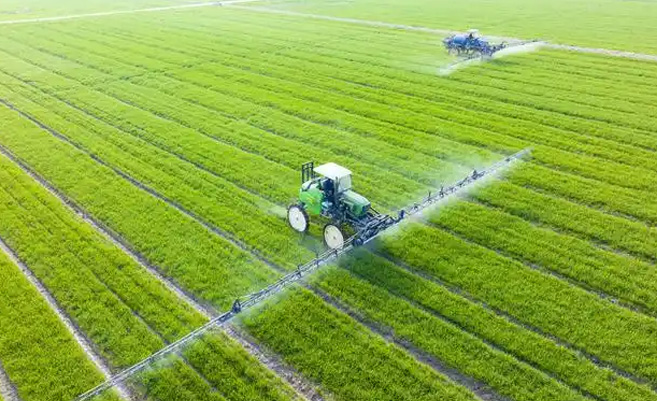
 Agriculture
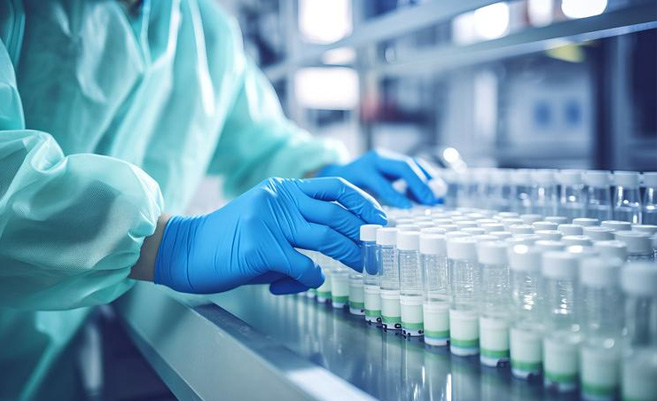
 Other Fields
Application Fields of Activated Carbon
Industry forecasts indicate that the global activated carbon market size is expected to exceed USD 16.44 billion by 2029. As the world’s largest producer and consumer of activated carbon, China’s market size is projected to reach RMB 18.5 billion by 2029, demonstrating robust growth potential.
Activated carbon is a porous adsorbent material with abundant pore structure and high specific surface area. It is manufactured from raw materials including coal, wood, fruit shells and synthetic resins via high-temperature thermal treatment processes such as carbonization and activation.

 Chemical
 Diverse forms
 Renewable &
 Porous
 Powerful adsorption
 Hydrophobic and
Classified by raw material sources, activated carbon is mainly divided into four categories: coal-based, wood-based (including coconut shell, fruit shell and wood chip), pitch-based and synthetic resin-based activated carbon. Among them, coal-based and wood-based activated carbon dominate the market thanks to easily accessible raw materials, stable performance and controllable costs.
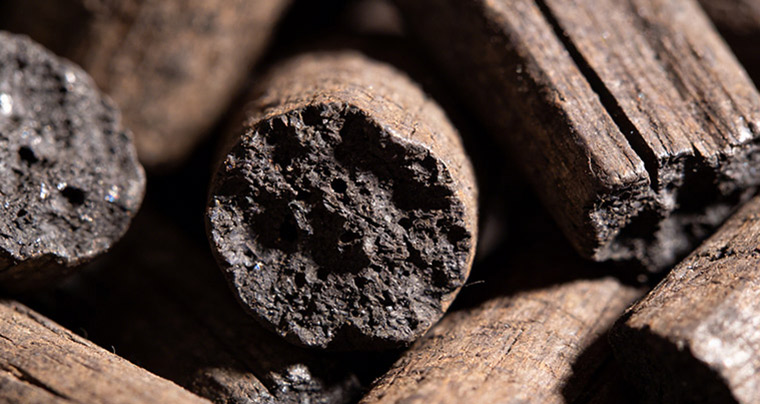
Wood-based Activated Carbon
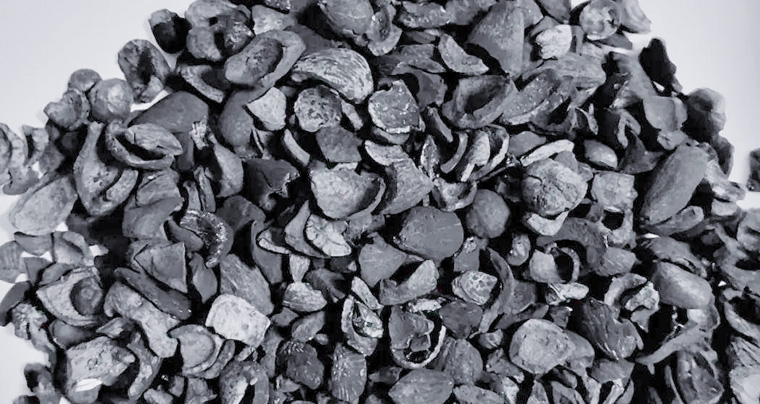
Fruit Shell Activated Carbon
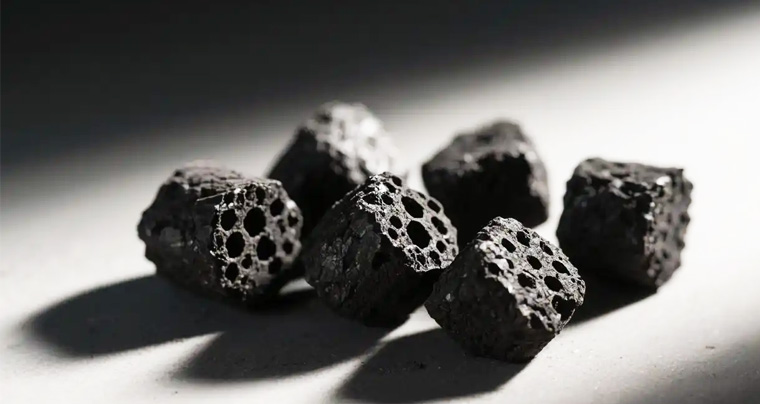
Coal-based Activated Carbon

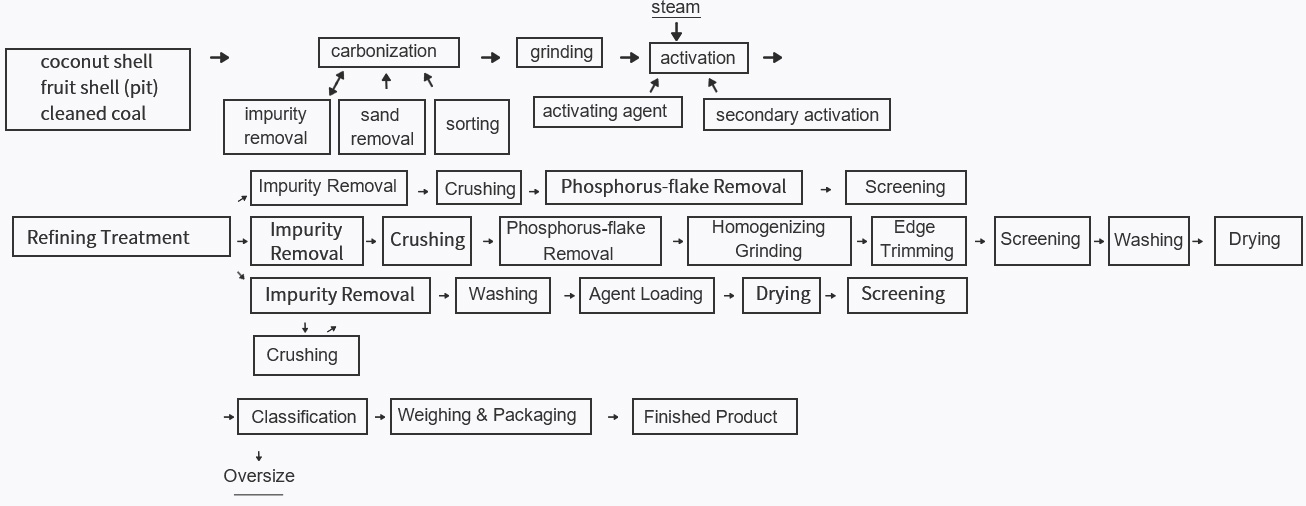
In terms of product form, activated carbon can be categorized into two main types: powdered and granular activated carbon. Although powdered and granular activated carbon differ in final form and application scenarios, the grinding process is indispensable to the production of both, and is implemented at different production stages respectively.
With in-depth insight into the raw material characteristics and process requirements of various activated carbons, SBM optimizes grinding processes and equipment configurations in a targeted manner, developing full-process solutions that can be rapidly implemented and cover the entire production scenarios. Through precise process design, rational equipment selection and intelligent control systems, high-efficiency, stable and eco-friendly production of activated carbon powder is fully realized.
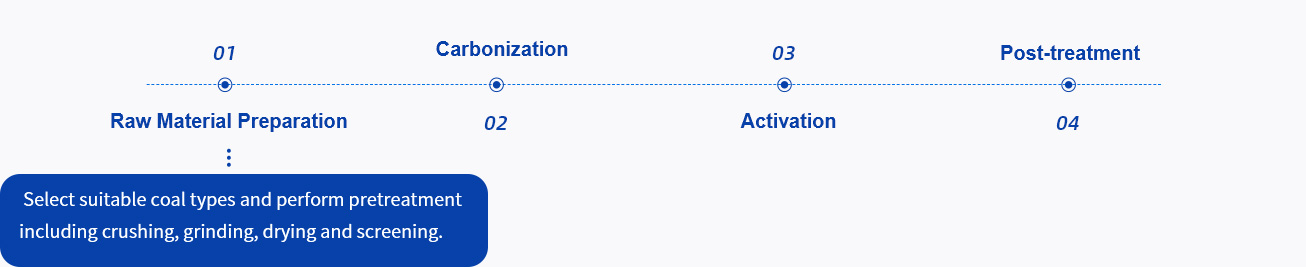
The preparation process of coal-based activated carbon consists of raw material pretreatment, batching, carbonization, activation, post-treatment and possible modification treatment.
Wood‑based activated carbon is generally prepared from lignin. In one study, organic solvents were used to fractionate alkali lignin to obtain lignin fractions with different relative molecular weights. With phosphoric acid as the activating agent, lignin-based activated carbon was synthesized under high-temperature conditions.
Centered on the core principles of “scenario-adaptation, cost reduction & efficiency improvement, environmental compliance”, SBM leverages its two core grinding mill series LM and MTW, together with nearly four decades of global project experience, to delve deep into application scenarios within the activated carbon industry. Through customized solutions based on LM and MTW series grinding mills, we provide the industry with stable and reliable grinding equipment support.
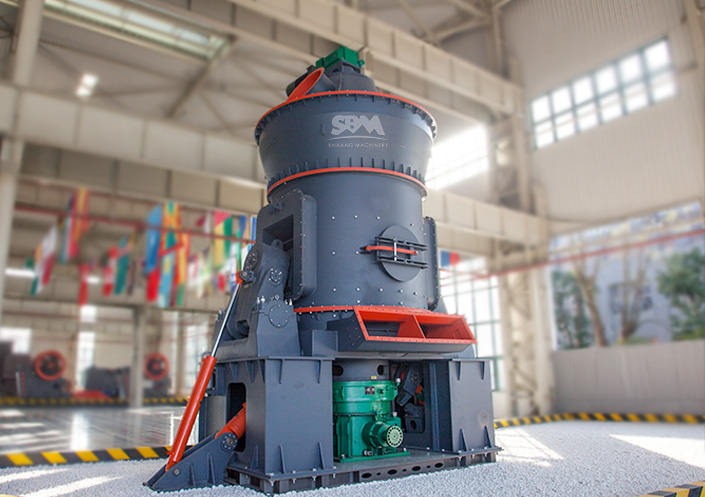
Ideal choice for large-scale and high-value activated carbon powder production
Fineness: 80-400 mesh
Capacity: 10-340 t/h
Product Advantages
Integrates crushing, grinding, drying, powder selecting and conveying into one unit.
Adopts special grinding roller‑and‑table structural design. The grinding rollers are equipped with hydraulic automatic pressing devices for larger grinding area and high grinding efficiency.
Fitted with automatic control system for simple and flexible operation, lowering operation and maintenance costs.
Adopts fully-sealed structure and operates under negative pressure to prevent dust leakage.
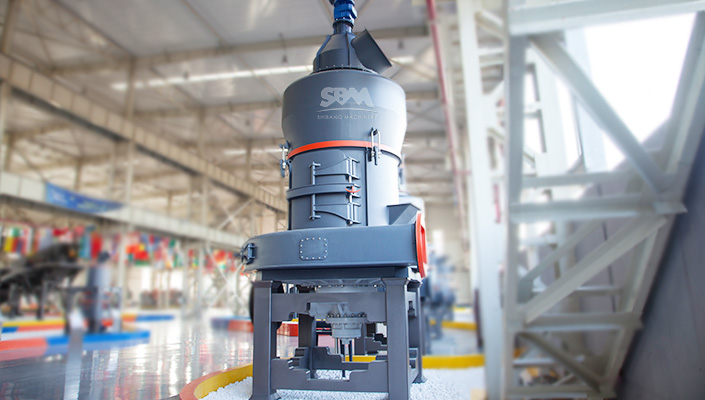
Grinding Equipment for Activated Carbon Deep Processing
Fineness: 80-325 mesh
Capacity: 3-50 t/h
Product Advantages
It adopts curved shovel blade design to enlarge the material grinding working area and improve grinding efficiency.
With integrated bevel gear transmission and non‑resistance air‑inlet volute design, it achieves better material flowability and lower energy consumption.
Low running resistance keeps oil temperature low; the oil change interval can reach up to 4 months with less maintenance frequency.
SBM equipment has been exported to more than 180 countries and regions worldwide. In the activated carbon sector, our equipment covers multiple segmented application scenarios, consistently achieving the core goals of “qualified product quality, improved efficiency and environmental compliance”. The high equipment stability and prompt service response have won high recognition from customers.
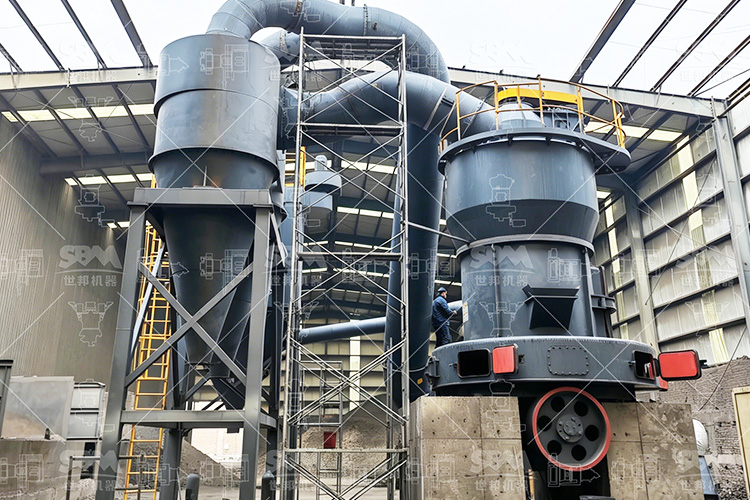
Raw Material: Coal GangueFineness: 80 Mesh
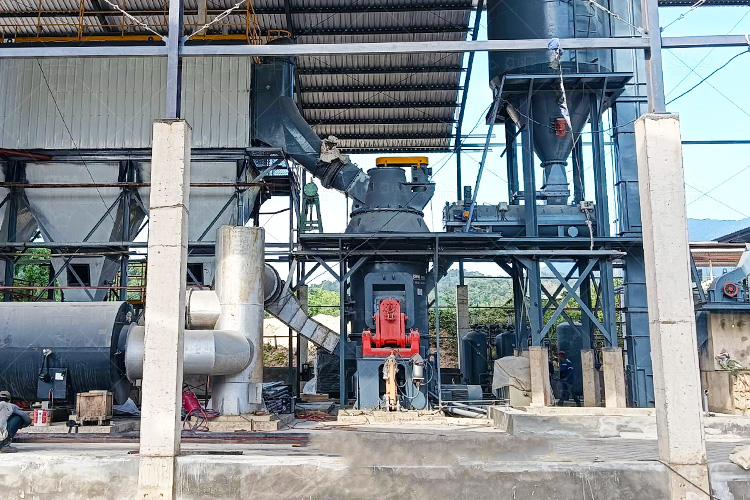
Material: CoalApplication: Clean coal powder
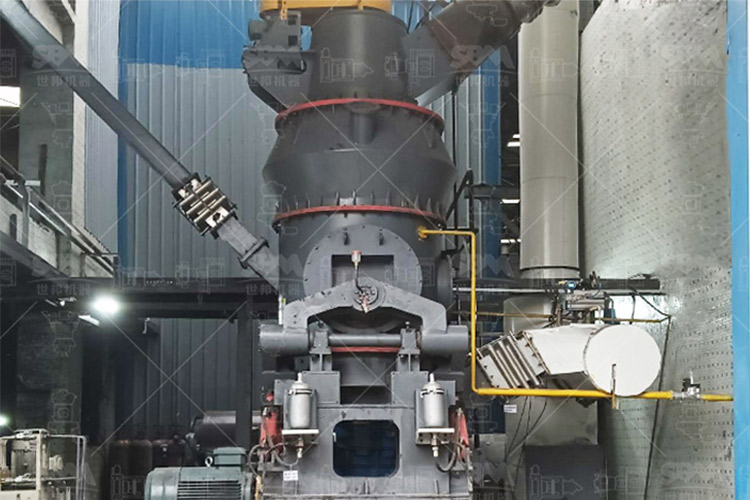
Material: Coal PowderApplication: Foundry Coal Powder
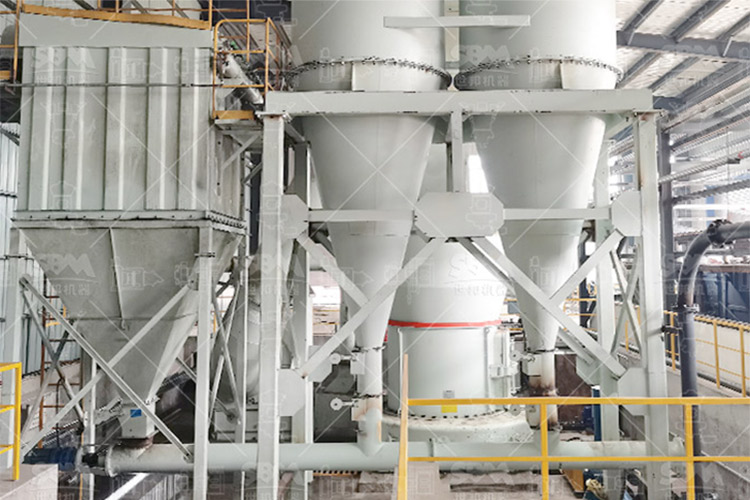
Material: Coal GangueApplication: Building Materials Industry
Leave your information below to get customized
solutions and free quote!
