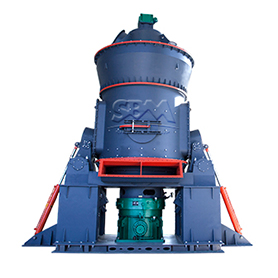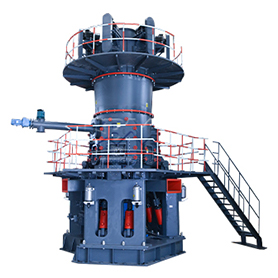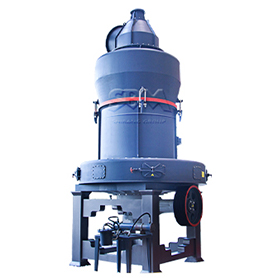




The ore grinding mill, as a highly efficient and economical processing equipment for non-metallic mineral powders, is widely favored by users. But have you also encountered this problem: After a period of use, the output gradually decreases, significantly impacting profitability? Don't worry, today we'll reveal some tips to boost the powder output efficiency of your ore grinding mill!
I. Optimize Blower Pressure and Airflow for Effortless Material Blockage Prevention
Did you know? Different ores exhibit vastly different properties and compositions. For instance, ores with lower density (such as gypsum and graphite) require higher pressure and airflow settings compared to denser ores (like barite and iron ore). This approach not only prevents internal blockages in the main unit but also ensures smooth machine operation and enhances grinding efficiency.
II. Optimize Main Unit Speed Selection to Enhance Grinding Capacity
The grinding capacity of mineral powder mills hinges on the centrifugal force generated by grinding rollers during rotation. Insufficient speed may result in low powder output and inadequate power. Therefore, adjust or replace drive belts based on the motor's load capacity to boost operational kinetic energy, thereby increasing production efficiency.
III. Ensure Sealed Piping and Clear Channels for Uninterrupted Powder Flow
Blocked conveying ducts can cause low powder output or complete stoppage. When encountering this issue, promptly shut down the machine to clear material from the pipelines before restarting for feeding. Additionally, ensure the inner walls of pipelines and hoppers are smooth, opting for galvanized steel or stainless steel linings to reduce discharge difficulty. Don't forget to install hopper wall vibrators to facilitate smoother powder transportation.
IV. Equipment Lubrication is Critical; Perform Regular Inspections and Maintenance
Dull grinding teeth can affect the host machine's rotational speed. Therefore, we must regularly inspect transmission components such as grinding teeth and implement lubrication and replacement measures. This not only extends equipment lifespan but also enhances grinding efficiency.
V. Optimize scraper blade design and select high-wear-resistant materials to enhance grinding performance
Scraper blades transport material between grinding rollers and rings, with their design directly impacting grinding efficiency. Material selection for wear-prone components like blades, rollers, and rings is equally critical. Choosing high-wear-resistant materials and conducting regular inspections and replacements ensures consistent grinding performance.
VI. Thoroughly Understand Material Properties to Tailor Production Plans
After completing equipment inspection preparations, gain in-depth knowledge of the grinding material's moisture content, hardness, viscosity, and other properties. Combine this with equipment specifications and manuals to develop customized production plans, achieving optimal results.
In summary, proper equipment operation and regular maintenance are key to enhancing grinding efficiency. As a professional manufacturer of grinding equipment, Shibang Machinery offers a diverse range of products and models to meet varying user requirements. For further information, feel free to consult our Shibang Industrial customer service team online at no cost, or visit our factory for an on-site inspection. Let us work together to create a brighter future!